Unlocking the Power of Statistical Methods for Nonclinical Safety Analysis


Overview
The pharmaceutical industry relies heavily on statistical methods for nonclinical safety assessments, crucial for identifying safety issues in drug development. These methods, such as descriptive statistics, survival analysis, and multivariate analysis, ensure reliable results and support robust study designs. Despite challenges like data quality and regulatory requirements, advancements in data analysis tools and methodologies are enhancing the evaluation process, paving the way for safer drugs.
Contents
The pharmaceutical industry is constantly evolving, and with the emergence of new drugs, the need for stringent nonclinical safety assessments has never been more crucial. Statistical methods serve as a backbone for these assessments, providing the necessary frameworks for data analysis and interpretation. This article will delve into the role of statistical methods in nonclinical safety analysis, particularly in the context of toxicology and drug development.
Understanding Nonclinical Safety
Nonclinical safety assessments are critical in the early stages of drug development. These evaluations are designed to identify potential safety issues before a drug is tested in humans. Nonclinical studies typically assess a compound’s toxicity, pharmacology, and pharmacokinetics using various animal models. However, the complexity of biological data necessitates sophisticated analysis techniques that can consolidate findings effectively.
The Role of Statistical Methods in Toxicology
Statistical methods play a significant role in ensuring that the results obtained from toxicology studies are both reliable and reproducible. By employing rigorous statistical techniques, researchers can identify trends, measure variability, and determine the significance of their findings. Various statistical methods that are frequently applied in nonclinical safety analysis include:
Descriptive Statistics: Provides a summary of the data, highlighting central tendencies and variations.
Inferential Statistics: Used to draw conclusions about a population based on sample data.
Survival Analysis: Evaluates the time until an event occurs, often utilized in chronic toxicity studies.
Multivariate Analysis: Deals with data containing more than one variable, crucial for complex safety assessments.
Statistical Analysis in Preclinical Studies
In the realm of drug development, conducting robust statistical analyses during preclinical studies is essential. These studies often involve several treatments and control groups, demanding careful statistical planning to account for multiple comparisons and the risk of Type I and Type II errors.
Utilizing platforms that offer tools for statistical analysis can optimize the design of nonclinical studies. For example, software that assists in randomization helps to minimize selection bias and enhances the validity of the results:
Implementing the proper sample size calculations before commencing studies ensures that statistical tests will hold sufficient power to detect treatment effects.
Data management systems allow for better data integrity and facilitate advanced statistical methods.
The Importance of Robust Study Designs
Designing a robust nonclinical safety study is paramount. The study's design dictates the validity of the findings and significantly influences the likelihood of a successful IND submission. Commonly adopted statistical designs include:
Randomized Controlled Trials (RCT): This design helps eliminate bias and allows for more accurate causation conclusions.
Crossover Designs: Useful in studies where each subject acts as their own control, enhancing the efficiency of the trial.
Factorial Designs: Explores the interaction effects of multiple treatments on outcomes of interest.
For experts navigating the complexity of study designs, resources such as Designing Nonclinical Safety Studies: Best Practices for the Pharmaceutical Industry provide crucial insights and methodologies to enhance study effectiveness.
Advancements in Data Analysis Tools
The incorporation of technology in statistical analysis has transformed how nonclinical safety data is processed. Modern data analysis tools are now more user-friendly and capable of managing vast amounts of information seamlessly. Some noteworthy advancements include:
Machine Learning Algorithms: These algorithms can analyze complex data patterns, often identifying significant trends that human analysts might overlook.
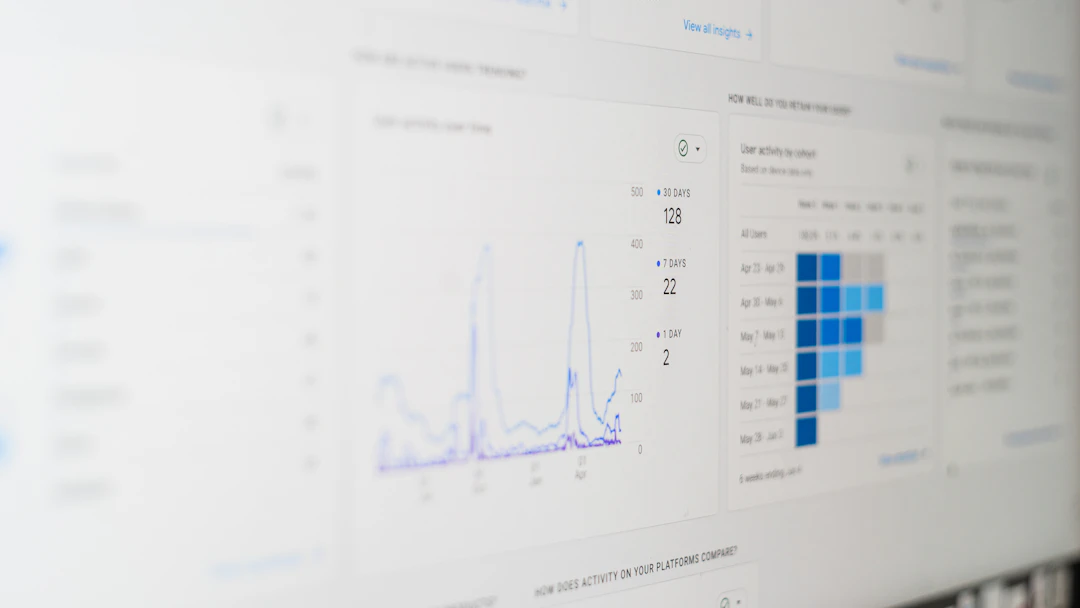
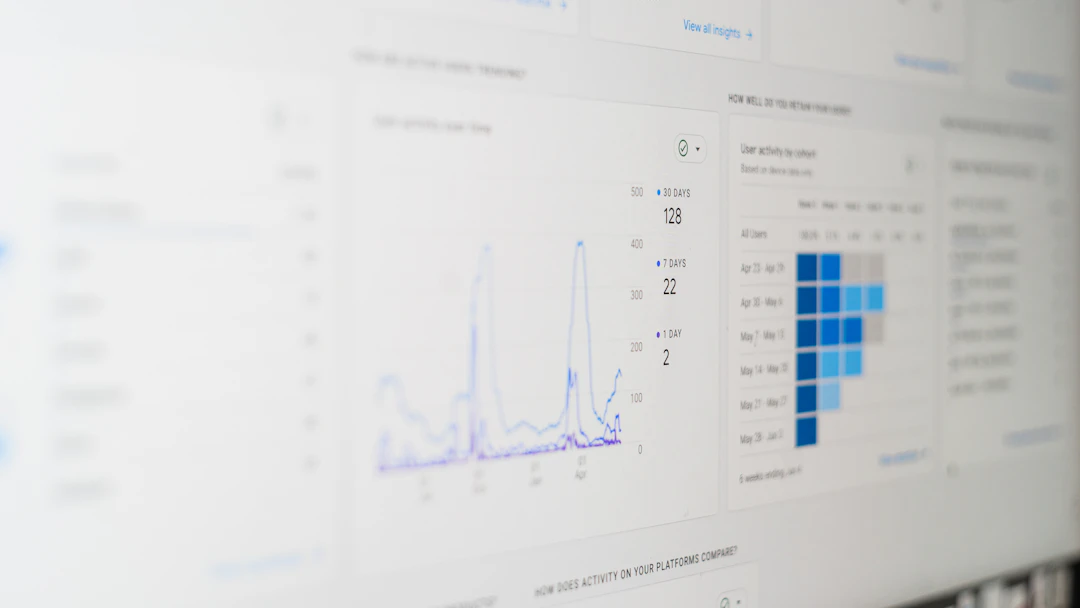
Visualization Software: Facilitates data representation in visually engaging formats, making it easier to communicate findings to stakeholders.
Such tools help streamline the evaluation process, ultimately leading to more informed decisions regarding toxicology profiles and drug development timelines.
Challenges in Statistical Methods for Nonclinical Safety
Despite the advancements, employing statistical methods in nonclinical safety analysis is not without challenges. Researchers often face issues such as:
Data Quality: Inadequate data can skew results and lead to misinterpretation.
Complexity of Biological Reactions: The biological variability among test subjects can make it difficult to derive universally applicable conclusions.
Regulatory Requirements: Adhering to specific regulatory guidelines adds layers of complexity to the design and analysis phases.
Overcoming these challenges is essential for ensuring that \strong>nonclinical safety assessments meet industry standards and safeguard against potential errors that could lead to adverse clinical outcomes.
Real-World Applications of Statistical Methods in Toxicology
Several case studies illustrate the power of statistical methods in nonclinical safety analyses. For instance:
A pharmaceutical company assessing a new compound for cardiac toxicity used survival analysis to determine the time until adverse events occurred in animal models. The insights garnered from this analysis provided necessary data points for their IND submission, ultimately influencing regulatory approval.
Another example involved a study utilizing multivariate analysis to understand the interactive effects of multiple drugs on a specific organ system. This allowed researchers to identify potential safety concerns early, mitigating risks ahead of human trials.
Looking Towards the Future
The future of nonclinical safety analysis looks promising as new methodologies and technologies evolve. The pharmaceutical industry is moving towards implementing more rigorous statistical assessments that leverage big data analytics and predictive modeling.
Moreover, collaborations between industry and academia are fostering innovative approaches, ensuring that nonclinical safety remains a priority. Discover how this collaboration is enhancing drug development in our article on Enhancing Drug Development: The Power of Collaboration Between Industry and Academia in Toxicology.
Essential Resources for Professionals
For those navigating the complexities of nonclinical safety, essential resources can improve understanding and facilitate more successful outcomes. For instance, the product I'm a product offers essential details that can aid in comprehending toxicology, while another product, I'm a product, can help in grasping the complexities of IND submission processes.
The Path Ahead: Embracing Statistical Methods for Safer Drugs
To summarize, the incorporation of statistical methods in nonclinical safety analysis is indispensable to the progress of the pharmaceutical industry. By leveraging advanced techniques and tools, researchers can glean insightful information that shapes the trajectory of drug development. As we look to the future, a commitment to understanding and innovating within this realm will pave the way for safer, more effective therapies. Prioritizing these robust methodologies stands to not only meet regulatory standards but ultimately enhance patient safety across the globe.
Explore these products to enhance your understanding of nonclinical safety analysis. I'm a product and I'm a product.
Related Products
I'm a product - $20.00 - I'm a product description. I'm a great place to add more details about your product such as sizing, material, care instructions and cleaning instruct...
I'm a product - $25.00 - I'm a product description. I'm a great place to add more details about your product such as sizing, material, care instructions and cleaning instruct...
I'm a product - $15.00 - I'm a product description. I'm a great place to add more details about your product such as sizing, material, care instructions and cleaning instruct...
FAQs
What is the importance of nonclinical safety assessments in drug development?
Nonclinical safety assessments are critical in the early stages of drug development. They identify potential safety issues before a drug is tested in humans, assessing a compound's toxicity, pharmacology, and pharmacokinetics using various animal models.
How do statistical methods contribute to toxicology studies?
Statistical methods ensure that results from toxicology studies are reliable and reproducible. They help identify trends, measure variability, and determine the significance of findings through rigorous analysis techniques.
What are some common statistical methods used in nonclinical safety analysis?
Common statistical methods include descriptive statistics, inferential statistics, survival analysis, and multivariate analysis, each serving specific roles in analyzing complex safety data.
What challenges do researchers face when applying statistical methods in nonclinical safety analysis?
Researchers face challenges such as data quality issues, the complexity of biological reactions, and the need to adhere to regulatory requirements, which can complicate the analysis process.
What advancements are shaping the future of statistical analysis in nonclinical safety?
Advancements such as machine learning algorithms and visualization software are transforming data analysis, allowing for more effective processing of nonclinical safety data and enhancing the decision-making process in drug development.

Comments